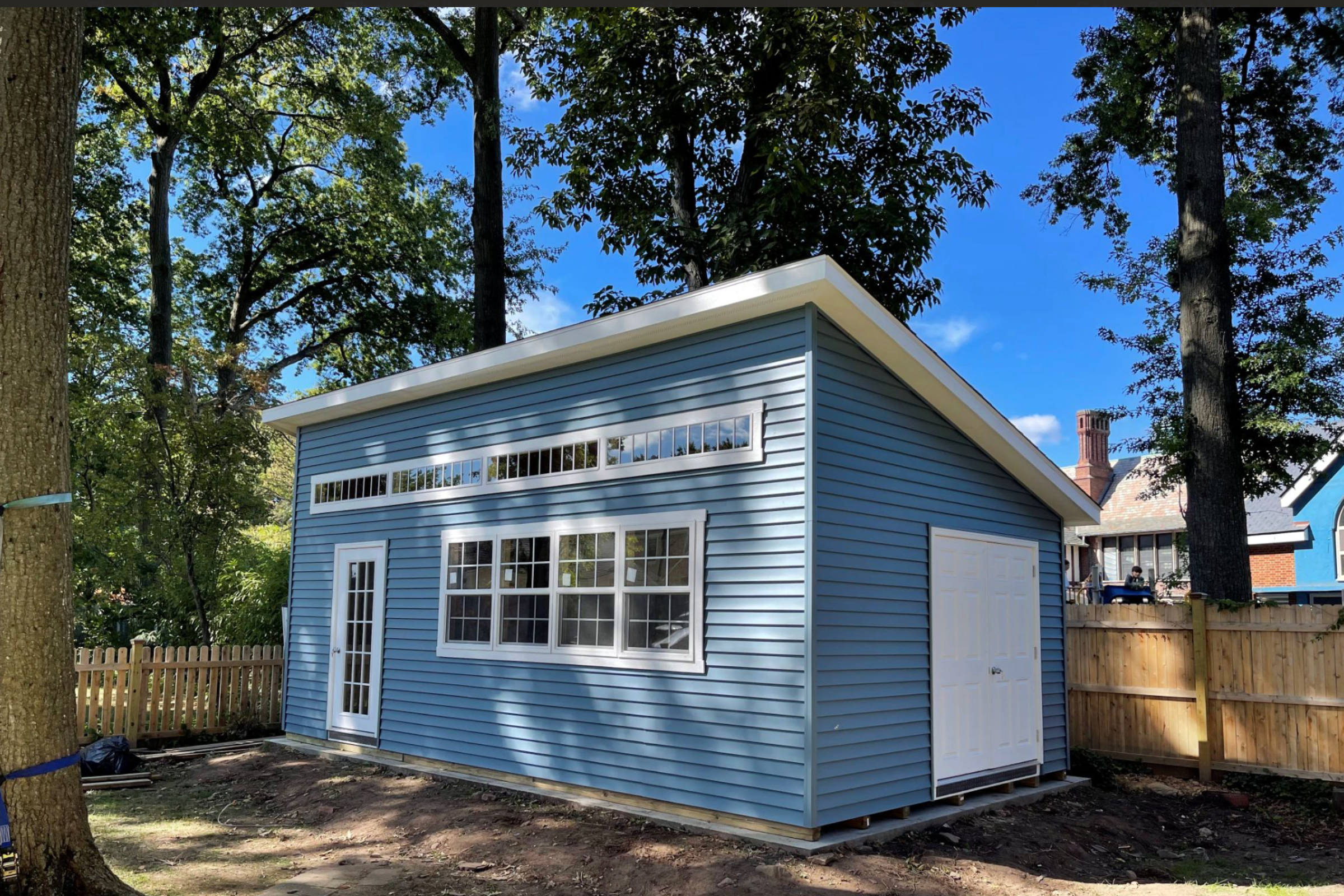
Customizing your outdoor shed is one of the best ways to create a storage solution that works for your home, property, and lifestyle. A shed can be much more than a place to store tools. With the right design choices, it can become a garden workspace, backyard office, poolside retreat, workshop, hobby room, or organized storage hub.
Whether you are choosing between vinyl and wood, comparing roof styles, selecting doors and windows, or planning interior storage, every detail matters. This guide covers the most important factors to consider when designing a custom outdoor shed that is durable, attractive, and built for long term use.
Start With the Purpose of Your Shed
Before choosing colors, doors, or accessories, decide how you plan to use your shed. The purpose of the shed will guide nearly every customization decision.
Common shed uses include:
- Lawn equipment storage
- Garden tool organization
- Seasonal item storage
- Backyard workshop
- Pool supply storage
- Hobby or craft space
- Home office
- Outdoor entertaining space
If you only need basic storage, a smaller shed with shelving and double doors may be enough. If you want a workshop or office, you may need more windows, better ventilation, electrical planning, and additional floor space.
You can explore different shed styles and models to compare layouts before deciding what works best.
Choose the Right Shed Size
Size is one of the most important customization decisions. A shed that is too small can quickly become overcrowded, while a shed that is too large may take up more yard space than necessary.
When choosing a shed size, consider:
- What you need to store now
- What you may need to store in the future
- Whether you need walking space inside
- Whether large equipment needs to fit through the doors
- How much yard space you want to preserve
For simple garden tools and small storage bins, a compact shed may work well. For riding mowers, bikes, outdoor furniture, and larger equipment, a medium or large shed is often a better choice.
If you plan to use your shed as a workspace, make sure to allow room for shelving, a workbench, and comfortable movement.
Select the Best Shed Material
Material affects appearance, maintenance, durability, and long term value. Two of the most popular choices are vinyl sheds and wooden sheds.
Vinyl Sheds
Vinyl sheds are popular because they are low maintenance and weather resistant. They do not require painting or staining, and they hold up well against moisture. This makes vinyl a strong choice for homeowners who want an attractive shed without frequent upkeep.
Vinyl sheds are ideal for:
- Low maintenance storage
- Clean, modern designs
- Long term durability
- Moisture resistance
- Homeowners who want easy cleaning
You can browse popular vinyl shed options for design inspiration.
Wooden Sheds
Wooden sheds offer a classic look and strong customization flexibility. They can be painted or stained in many colors and often appeal to homeowners who want a traditional backyard structure.
Wooden sheds are ideal for:
- Rustic or classic property styles
- Custom paint or stain finishes
- Workshops
- Garden spaces
- Homeowners who prefer natural materials
Wood may require more maintenance over time, but it provides a warm and timeless appearance.
Pick a Shed Style That Matches Your Home
A custom shed should complement your home, not look like an afterthought. Choosing the right shed style helps improve curb appeal and creates a more polished backyard design.
Popular shed styles include:
- Cape style sheds
- Classic sheds
- Quaker sheds
- Cottage sheds
- Dutch barn sheds
- Lean-to sheds
- Chalet sheds
- Garage barn sheds
- Pool houses
For a more refined look, homeowners often choose models with roof overhangs, decorative trim, shutters, or upgraded windows. If you want a structure with more character, explore chalet style sheds or the New England shed series.
Customize the Doors for Function and Access
Doors are one of the most practical features to customize. The right door setup makes it easier to move equipment in and out of the shed.
Common door options include:
- Single entry doors
- Double doors
- Garage style doors
- Side entry doors
- Fiberglass doors
- Steel doors
Double doors are a smart choice if you need to store lawn mowers, wheelbarrows, bikes, or large equipment. A garage door may be best for larger sheds used for vehicles, ATVs, or heavy duty storage.
Think about where the door should be placed as well. Door placement affects how easily you can access the shed from your driveway, garden, pool area, or backyard path.
Add Windows for Light, Ventilation, and Style
Windows make a shed feel brighter, more open, and more finished. They are especially useful if you plan to spend time inside the shed.
Benefits of adding windows include:
- More natural light
- Better ventilation
- Improved appearance
- A more comfortable workspace
- Better visibility inside the shed
For storage only, one or two windows may be enough. For workshops, garden sheds, or office style sheds, more windows can make the space feel less enclosed.
Shutters and trim can also help your shed match the style of your home.
Choose Colors and Trim Carefully
Color is one of the easiest ways to make your shed feel custom. The best shed colors usually complement your home’s siding, roof, shutters, or landscape.
When selecting colors, consider:
- Your home’s exterior color
- Roof shingle color
- Trim color
- Fence or deck colors
- Landscaping and surrounding features
Neutral colors often work well for a clean and timeless look. If you want the shed to stand out, accent trim or shutters can add contrast without overwhelming the yard.
For more customization ideas, visit the colors and options page.
Plan the Interior Layout
A great custom shed is not only attractive on the outside. The inside should be organized and functional.
Interior customization ideas include:
- Wall mounted shelving
- Loft storage
- Pegboards
- Tool racks
- Workbenches
- Hooks for ladders and hoses
- Storage bins
- Cabinet systems
If you use your shed for gardening, include a potting bench and shelves for soil, gloves, pots, and hand tools. If you use it as a workshop, plan for a sturdy work surface, tool storage, lighting, and enough open space to move comfortably.
Think About Flooring and Structural Strength
The floor is one of the most important parts of your shed, especially if you are storing heavy equipment. Strong flooring helps prevent sagging, shifting, and long term wear.
Consider flooring needs based on what you will store:
- Light tools and bins need basic durable flooring
- Riding mowers need stronger floor support
- Workshops need stable flooring for benches and equipment
- Garage style sheds need reinforced access points
A durable floor system protects both the shed and the items inside it.
Do Not Overlook the Foundation
Your shed is only as strong as the site it sits on. A properly prepared foundation helps protect the shed from moisture, settling, and uneven wear.
Common shed foundation options include:
- Gravel pads
- Concrete slabs
- Timber framed gravel bases
- Pressure treated wood foundations
A gravel pad is a popular choice because it helps with drainage and keeps the shed level. Proper site preparation can extend the life of your shed and reduce future maintenance issues.
If you are unsure what your property needs, review the company’s shed installation services and site preparation options.
Consider Roof Style and Pitch
The roof affects both appearance and performance. A well designed roof helps shed rain, snow, and debris while giving the structure a finished look.
Common roof considerations include:
- Roof pitch
- Shingle color
- Overhangs
- Vented soffits
- Drainage direction
- Style compatibility with your home
A steeper roof pitch can create a more decorative look and may help with runoff. Barn style roofs can provide more interior height and potential loft storage.
Add Features for Comfort and Convenience
If your shed will be used as more than basic storage, comfort features can make a big difference.
Popular comfort upgrades include:
- Extra windows
- Ventilation
- Insulation planning
- Electrical planning
- Interior lighting
- Workbench areas
- Porch features
- Decorative doors
A shed used as a backyard office or hobby space should feel comfortable and practical. Planning these features early helps avoid costly changes later.
Customize for Garden Use
A garden shed should be both functional and attractive. It should provide easy access to tools while blending into the landscape.
Garden shed customization ideas include:
- Potting bench
- Flower boxes
- Extra windows
- Shelving for pots and soil
- Hooks for hand tools
- Wide doors for wheelbarrows
- Soft exterior colors
- Decorative shutters
A well designed garden shed can become a focal point in your yard while keeping supplies organized.
Customize for Poolside Use
If your shed will be placed near a pool, consider features that support both storage and relaxation.
Pool shed customization ideas include:
- Space for towels and pool toys
- Changing area
- Porch or overhang
- Bar counter
- Ventilation
- Vinyl decking
- Easy access doors
- Moisture resistant materials
A pool house can add convenience, storage, and style to your outdoor living area. You can explore available pool house options for inspiration.
Customize for Garage or Equipment Storage
If you need a shed for larger equipment, vehicles, or heavy duty storage, function should be the top priority.
Garage shed customization ideas include:
- Garage door
- Reinforced flooring
- Wider entry points
- Side entry door
- Extra windows
- Strong floor joists
- Gravel or concrete foundation
- Interior organization zones
For larger storage needs, review the garage barn shed options to see how a shed can function like a compact garage.
Match Your Shed to Your Property Layout
Placement matters just as much as design. Before finalizing your shed, think about how it will fit into the flow of your yard.
Ask yourself:
- Will it be easy to access?
- Will it block sunlight or views?
- Is the ground level and well drained?
- Is there enough space around it for maintenance?
- Will it complement the home and landscaping?
- Can large items be moved in and out easily?
A shed should feel intentional. Good placement makes it more useful and more attractive.
Check Local Rules Before Installation
Before ordering a custom shed, check local rules in your municipality. Requirements vary by town and may depend on size, height, location, and whether utilities are included.
You may need to review:
- Permit requirements
- Setback rules
- HOA guidelines
- Maximum structure size
- Electrical or plumbing restrictions
- Property line placement
This step helps prevent delays and makes the installation process smoother. You can also review common questions on the shed FAQ page.
Create a Shed That Can Grow With Your Needs
A shed should not only solve today’s storage problem. It should also support future needs.
You may eventually need space for:
- Kids’ bikes
- More lawn equipment
- Outdoor furniture
- Holiday decorations
- Workshop tools
- Gardening supplies
- Pool equipment
Choosing a slightly larger shed or adding flexible storage can help you avoid outgrowing the space too quickly.
Design a Shed That Works for Your Home
Customizing your outdoor shed gives you the ability to create a structure that fits your property, your storage needs, and your style. From size and material to doors, windows, colors, flooring, and foundation, each choice plays a role in how well your shed performs over time.
A well planned shed can help you stay organized, protect valuable equipment, improve curb appeal, and add usable space to your backyard. If you are ready to start designing a shed that fits your needs, visit the contact page to connect with the team and begin planning your custom outdoor shed.
Still have questions or need additional guidance? We implore you to Reach Out through our Contact Page.
Frequently Asked Questions
What is the best way to customize an outdoor shed?
The best way to customize an outdoor shed is to start with its purpose. Once you know whether it will be used for storage, gardening, a workshop, a pool house, or a backyard office, you can choose the right size, material, doors, windows, interior layout, and foundation.
What size shed should I choose?
The right shed size depends on what you plan to store and how much room you need to move around inside. For basic tools, a smaller shed may work. For lawn equipment, bikes, furniture, or workspace, a medium or large shed is usually better.
Are vinyl sheds better than wooden sheds?
Vinyl sheds are best for homeowners who want low maintenance and weather resistance. Wooden sheds are best for homeowners who prefer a classic look and more traditional customization. Both can be strong options depending on your goals.
Can I add windows and doors to a custom shed?
Yes, windows and doors are among the most common shed customization options. You can add extra windows for light, double doors for equipment access, or a side entry door for convenience.
Do I need a foundation for my shed?
Yes, a proper foundation is important for long term shed performance. A level gravel pad or concrete slab can help improve drainage, prevent shifting, and protect the shed from moisture.
Can a shed be used as a home office or workshop?
Yes, many homeowners customize sheds into offices, workshops, hobby rooms, and creative spaces. If you plan to use the shed this way, consider windows, ventilation, insulation planning, electrical access, and a comfortable interior layout.
How can I make my shed match my house?
You can match your shed to your home by choosing similar siding colors, trim, shutters, roof shingles, and architectural details. Custom colors and decorative features help the shed blend into your property.
What features add the most value to a custom shed?
The most valuable shed features include durable materials, strong flooring, proper foundation, double doors, windows, shelving, loft storage, weather resistant construction, and a design that complements your home.