
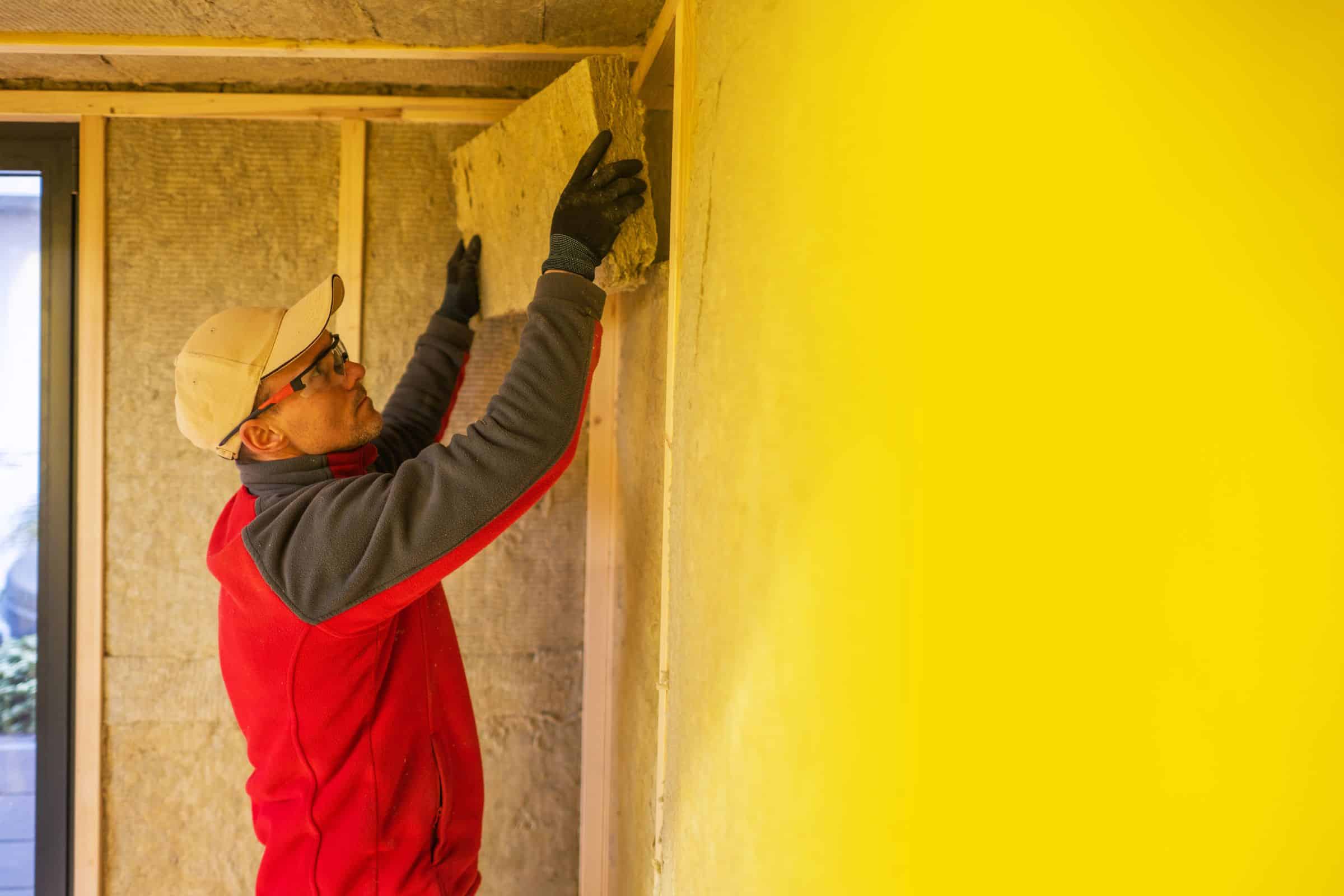
Insulating a backyard shed can make the interior more comfortable, reduce temperature fluctuations, and help create a more practical space for hobbies, projects, and seasonal activities.
If you have a wooden shed, a vinyl-sided storage shed, or a building you hope to use as a workshop, proper insulation can make a noticeable difference. However, insulating a shed involves more than placing insulation between wall studs.
To insulate a shed effectively, you need to consider the walls, roof, floor, air leaks, ventilation, and moisture control. Choosing the wrong materials or installing them incorrectly can create condensation problems and reduce the effectiveness of your insulation.
For New Jersey homeowners, these considerations are especially important because outdoor buildings experience cold winters, hot summers, humidity, and changing weather conditions.
If you are planning a new backyard building, explore our shed styles and designs before deciding how insulation will fit into your project.
Can You Insulate a Shed?
Yes. Many wooden and vinyl-sided sheds can be insulated, provided their construction and condition are suitable for the proposed insulation system.
The best approach depends on several factors:
- Shed construction
- Wall and roof framing
- Available cavity depth
- Floor design
- Moisture exposure
- Ventilation
- Intended use
- Whether the shed will be heated or cooled
A shed used only for storing garden tools may not need the same insulation system as one used regularly for woodworking, hobbies, or other activities.
Before choosing insulation, determine what you want the building to do and how often you plan to use it.
What Is the Best Insulation for a Shed?
There is no single insulation material that is best for every shed.
Different materials offer different advantages depending on the building’s construction, available space, moisture conditions, and budget.
Fiberglass Batt Insulation
Fiberglass batts are commonly used in framed walls and ceilings.
They are available in different thicknesses and insulation ratings and can fit between appropriately spaced framing members.
Fiberglass is often considered for sheds with accessible wall cavities, but it must be installed correctly and protected from moisture.
Compressing batts or leaving gaps around them can reduce their effectiveness.
Mineral Wool Insulation
Mineral wool is another option for framed shed walls and ceilings.
It offers thermal insulation and is available in products with useful fire-resistance and sound-control properties.
Like other fibrous insulation materials, it should be installed as part of a properly designed wall or roof assembly that addresses air leakage and moisture.
Rigid Foam Board Insulation
Rigid foam boards can be useful where space is limited or a continuous insulation layer is desired.
Different foam products have different insulation values, moisture characteristics, and installation requirements.
Foam board joints and edges may need appropriate sealing, and some products require protective interior coverings under applicable fire and building codes.
Spray Foam Insulation
Spray foam can provide insulation and air sealing when professionally specified and installed.
It may be useful for certain irregular spaces, but it requires careful consideration of moisture behavior, ventilation, material compatibility, and fire protection.
Because incorrect installation can create significant problems, homeowners should consult an experienced professional before choosing spray foam.
How to Insulate a Shed Step by Step
The following process provides a practical overview of shed insulation. Exact installation details depend on the building and selected materials.
Step 1: Inspect the Shed Before Installing Insulation
Start by examining the building’s condition.
Look for:
- Roof leaks
- Water stains
- Damp framing
- Mold or mildew
- Damaged siding
- Gaps around doors and windows
- Floor moisture
- Poor drainage around the foundation
Do not cover existing moisture damage with insulation.
Leaks and drainage problems should be corrected before insulation is installed. Otherwise, moisture may become trapped inside the building assembly.
If you are purchasing a new shed, planning the foundation and site drainage early can help prevent future problems.
Learn more about our shed pads and site preparation.
Step 2: Decide Which Areas Need Insulation
Most shed insulation projects involve some combination of the walls, roof or ceiling, and floor.
The appropriate scope depends on how the building will be used.
For a regularly occupied, heated, or cooled space, insulating only one surface may leave significant areas where heat can enter or escape.
For a simple storage shed, a full insulation project may not be necessary.
Identify your goals before purchasing materials.
Step 3: Plan Air Sealing and Moisture Control
Air sealing is an important part of effective insulation.
Uncontrolled air movement through gaps around doors, windows, wall joints, and other openings can reduce comfort and carry moisture into building cavities.
Appropriate sealing materials can help address unwanted air leakage, but ventilation openings designed to serve the roof or building should not be blocked.
Moisture control is equally important.
The correct vapor-control strategy depends on the shed’s construction, local climate, insulation type, and whether the interior will be heated or cooled.
Avoid automatically installing plastic sheeting over every insulated surface. An incorrectly placed vapor barrier can trap moisture rather than prevent it.
For a finished or conditioned shed, consult a qualified insulation or building professional about the appropriate assembly.
Step 4: Insulate the Shed Walls
Wall insulation is often one of the first improvements homeowners consider.
For a framed shed with accessible wall cavities, the general process involves:
- Inspecting the framing and sheathing for moisture or damage.
- Measuring the depth and spacing of the wall cavities.
- Selecting insulation compatible with the wall assembly.
- Cutting and fitting the insulation according to manufacturer instructions.
- Avoiding gaps, compression, and blocked ventilation paths.
- Installing any required air, vapor, and fire-protection components.
- Finishing the interior with suitable materials if desired.
The installation method will vary depending on whether you use fiberglass, mineral wool, rigid foam, or another system.
If your shed has electrical wiring, coordinate the insulation work with a qualified electrician before covering the walls.
Step 5: Insulate the Shed Roof or Ceiling
The roof is another important area because outdoor structures receive substantial solar heat during summer and lose heat during cold weather.
Shed roof insulation requires special attention to ventilation and moisture control.
Depending on the roof design, insulation may be installed at the ceiling level or within a properly designed roof assembly.
However, simply packing insulation against the underside of roof sheathing is not appropriate for every roof.
Some assemblies require ventilation channels or other details to manage condensation and drying.
Before insulating, determine whether the shed has a vented roof, an unvented roof assembly, or another construction configuration.
The insulation method must be compatible with that design.
Step 6: Insulate the Shed Floor
Shed floor insulation can help reduce heat transfer through the floor, particularly when the building is elevated above the ground.
The appropriate method depends on how the shed is supported and whether the underside of the floor is accessible.
For an elevated framed floor, insulation may be installed between joists using a system that provides suitable support, air control, moisture protection, and protection from pests or physical damage.
A shed resting on a slab or another foundation type may require a different approach.
Do not assume that insulation alone will solve moisture problems originating beneath the building.
A properly prepared foundation and adequate drainage remain important.
Explore our shed site preparation services if you are planning a new installation.
Step 7: Address Doors and Windows
Even well-insulated walls may not provide the desired comfort if substantial air leakage occurs around doors and windows.
Inspect weatherstripping, seals, and visible gaps.
Appropriate weatherstripping can help reduce drafts while maintaining normal door operation.
Window performance also affects comfort, particularly in sheds used regularly during colder or warmer weather.
If you are ordering a new shed, consider door and window placement as part of the overall design.
Browse our Colors & Options to explore available customization features.
Step 8: Maintain Appropriate Ventilation
Insulation and ventilation serve different purposes.
Insulation slows heat transfer. Ventilation helps manage air quality and moisture.
A shed may still require appropriate ventilation after insulation is installed, especially if it is used for activities that produce moisture, dust, fumes, or other contaminants.
Never block existing roof vents without understanding how the roof assembly is designed to function.
If you intend to heat or cool the building, consult a qualified professional about the appropriate ventilation and moisture-control strategy.
How to Insulate a Wooden Shed
Wooden sheds often have framed walls that may accommodate insulation between studs.
However, the available space, sheathing, exterior weather protection, and framing arrangement determine which insulation systems are suitable.
Before insulating a wooden shed, inspect the framing for moisture, damage, and air leakage.
Then select an insulation approach that works with the existing construction.
If you are planning a new wooden shed, consider whether you want to insulate it before choosing interior finishes or other custom features.
Browse our shed styles to explore options for your backyard.
How to Insulate a Vinyl Shed
A vinyl-sided shed may also be insulated, depending on the construction behind the siding.
The important distinction is that vinyl siding itself is not the same as a complete insulated wall assembly.
The framing, sheathing, weather-resistive components, interior finish, and ventilation details all influence how insulation should be installed.
Avoid assuming that insulation can be placed directly against every surface without considering moisture behavior.
If you are considering a new low-maintenance building, explore our vinyl sheds for sale in NJ.
How to Prevent Condensation in an Insulated Shed
Condensation is one of the most important concerns when insulating an outdoor building.
It occurs when moisture in the air encounters a surface cold enough for water vapor to condense.
In a shed, condensation may develop on windows, roof sheathing, walls, or other cold surfaces.
Poorly designed insulation can sometimes make the problem worse by changing surface temperatures and limiting the building’s ability to dry.
To reduce condensation risks:
- Repair roof and wall leaks before insulating.
- Maintain appropriate drainage around the building.
- Address uncontrolled air leakage.
- Use insulation compatible with the wall and roof construction.
- Avoid inappropriate vapor barriers.
- Maintain suitable ventilation.
- Monitor indoor humidity if the shed is regularly occupied.
- Keep stored belongings from blocking necessary airflow.
If you notice recurring moisture, mold, or damp insulation, identify and correct the underlying cause before adding more materials.
Does Insulating a Shed Keep It Warm in Winter?
Insulation can reduce heat loss and help the interior retain warmth longer, but it does not generate heat.
An unheated shed will generally still become cold during prolonged winter weather.
If you want to use the building comfortably during winter, you may need an appropriately designed heating system in addition to insulation.
Any heating equipment must be suitable for the building and installed according to applicable safety and code requirements.
Do not assume that insulating a shed automatically makes it suitable for year-round occupancy.
Will Shed Insulation Keep It Cool in Summer?
Insulation can slow the transfer of outdoor heat into the building, which may help reduce temperature fluctuations.
However, an insulated shed can still become hot during New Jersey summers, especially when it receives direct sunlight and has limited ventilation.
Roof design, shade, windows, ventilation, air sealing, and cooling equipment can all influence summer comfort.
Insulation is one part of a broader temperature-control strategy rather than a complete cooling solution.
Should You Insulate a Shed Used Only for Storage?
Not every storage shed needs insulation.
If your shed primarily holds garden tools, lawn equipment, and other belongings that tolerate ordinary outdoor temperature changes, insulation may provide limited practical benefit.
However, some homeowners consider insulation when storing temperature-sensitive items or when they expect to spend time inside the building.
Keep in mind that insulation alone does not provide controlled temperature or humidity.
Items requiring specific storage conditions may need a properly conditioned environment rather than a basic insulated shed.
Can You Turn an Insulated Shed Into a Workshop or Office?
Insulation may improve comfort in a shed used for hobbies, projects, or other activities, but it is only one part of planning a regularly occupied space.
Other considerations may include:
- Electrical supply
- Lighting
- Ventilation
- Heating and cooling
- Interior finishes
- Fire safety
- Structural suitability
- Local zoning and building requirements
A storage shed does not automatically become an approved office, living space, or habitable building because insulation has been added.
Check applicable requirements before changing the building’s intended use.
If you are considering electrical upgrades, read our Electricity in a Shed in NJ guide.
How Much Does It Cost to Insulate a Shed?
Shed insulation costs depend on the building’s size, construction, insulation material, and whether professional installation is required.
Several factors can influence the total cost:
- Wall, roof, and floor area
- Insulation type and thickness
- Required insulation performance
- Existing framing and sheathing
- Moisture repairs
- Air sealing
- Ventilation modifications
- Interior wall or ceiling finishes
- Labor
- Electrical or other related work
A small storage shed with accessible framing may involve a different scope of work from a larger building that requires finished walls, specialized roof insulation, and temperature control.
For an accurate estimate, obtain a project-specific quote from a qualified insulation professional.
Do not assume insulation installation is included in the purchase price of a new shed unless your written quote specifically identifies it.
Common Shed Insulation Mistakes to Avoid
Poor insulation installation can reduce comfort and create moisture or maintenance problems.
Common mistakes include:
- Insulating over existing water damage
- Ignoring roof leaks or poor drainage
- Leaving large air gaps
- Compressing insulation into undersized cavities
- Blocking required roof ventilation
- Installing an unsuitable vapor barrier
- Failing to consider electrical work before finishing walls
- Using materials without required fire protection
- Assuming insulation alone will heat or cool the shed
A successful insulation project considers the entire building rather than treating each wall or roof cavity independently.
Is It Better to Insulate a New Shed or an Existing Shed?
Both new and existing sheds may be suitable for insulation.
However, planning insulation before purchasing a new shed can make it easier to coordinate the building’s layout, construction details, ventilation, electrical needs, and interior finishes.
For an existing shed, the first step is evaluating its condition and determining whether the structure is suitable for the proposed improvements.
If you know you want an insulated workshop or hobby space, discuss your intended use before selecting a shed.
You can compare available buildings on our sheds for sale page.
Choosing the Right Shed for New Jersey’s Climate
New Jersey’s changing seasons make it important to think about moisture, temperature, and long-term building performance.
Cold winter temperatures, summer humidity, and periods of heavy rain can all affect how an outdoor structure performs.
Before insulating, make sure the building is structurally sound, properly weather-protected, and installed on an appropriate foundation.
Choose insulation materials and installation methods based on the shed’s actual construction rather than relying on a universal solution.
If you are purchasing a new building, consider the intended use from the beginning so that size, materials, layout, and customization choices support your future plans.
Plan Your Shed Around Your Long-Term Needs
Learning how to insulate a shed is useful whether you are improving an existing structure or planning a new backyard building.
The most important steps are choosing appropriate materials, addressing air leakage, managing moisture, maintaining ventilation, and insulating the relevant parts of the building correctly.
For homeowners considering a new shed, these decisions are easier to plan when you know how the space will be used.
A shed intended for simple storage may need a different design from one intended for regular projects or seasonal activities.
Find the Right Shed for Your NJ Backyard
Whether you need a practical storage building or a customizable shed for future projects, choosing the right structure is the first step.
Sheds For Sale NJ offers a variety of wooden and vinyl shed styles for homeowners throughout New Jersey. Our team can help you explore sizes, designs, and available customization options while you plan any specialized insulation work with an appropriately qualified professional.
Browse our sheds for sale in NJ, explore Colors & Options, or contact Sheds For Sale NJ to discuss your next backyard project.
Frequently Asked Questions
What is the best way to insulate a shed?
The best approach depends on the shed’s construction and intended use. A comprehensive project may involve insulating the walls, roof or ceiling, and floor while addressing air leakage, moisture control, and ventilation. Choose materials compatible with the building’s design.
What is the cheapest way to insulate a shed?
Fiberglass batts can be a relatively affordable option for suitable framed wall cavities, but total cost depends on the installation, air sealing, moisture control, and finishing requirements. The least expensive material is not necessarily the best long-term solution.
Do you need a vapor barrier when insulating a shed?
Not every shed requires the same vapor-control approach. Whether a vapor retarder is needed, and where it should be installed, depends on the climate, insulation system, wall or roof assembly, and intended use. An incorrectly installed barrier can trap moisture.
Can you insulate a shed without removing the walls?
Possibly. The available methods depend on the existing wall construction and accessibility of the framing cavities. Some projects may require removing interior finishes, while others may allow alternative professional installation methods.
Will insulating a shed stop condensation?
Insulation can help manage surface temperatures, but it does not automatically eliminate condensation. Effective moisture control also depends on drainage, air sealing, ventilation, humidity, and the correct insulation assembly. Existing leaks and moisture problems should be corrected before insulating.